
Creating a PODCAST is an exciting and accessible way to share your thoughts expertise or passion with a global audience.
In recent years the popularly of podcast has surged, providing a platform for individuals to express themselves, connect with like minded individuals, and even build a community.
To embark on your podcasting journey, here is a comprehensive guide to help you create a podcast that stands out.
1. Define your purpose and Niche
Before driving into podcast creation, define the purpose of your podcast and identify your target audience.
Niche that you pick will mostly decide the success or failure of your podcast. You need to think what will make your podcast unique and what niche it will fill.
You need to analyse and question the following points to yourself, before starting a podcast :
- Which group of people will be the ideal listener of your podcast.
- What personal experiences or personal point of view do you want to share to your listeners.
- Do you want to talk about a general niche topic in your podcast, or a specific micro niche topic.
- Ask yourself what are you passionate about, can you talk about that passionate thing of yours in your podcast for hours. If yes, you can materialise that passion of yours through your podcast.
- Are there any other podcasters who are talking about the same topic that you want to cover in your podcast. If yes, how can you be different from those other podcasters.
- Do you have any personal life experience that you want to share with your audience in your podcast as a value to them.
- And last but the most important, what problem of your audience can you solve through your podcast.
Whether it’s story telling, education or interviews, having a clear purpose will guide your content and attract the right audience.
2. Planning and Content Strategy
Create a content strategy that outlines the format, frequency, and oral structure of your podcast. Developer a plan for each episode, including topics, guest speakers, and a script outline if needed . Planning in advance ensures a consistent and engaging flow to keep your audience coming back for more.
3. Choose your Equipment
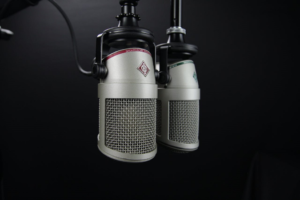
Invest in quality podcasting equipment to ensure your audio is clear and professional. A good Microphone like FIFINE Microphone, Headphones like this Sony Headphone, and audio interface like this one, are essential. Softwares like Audacity, GarageBand, or Adobe Audition can help you edit and enhance your recordings.
4. Record and edit your Episodes
Find a quiet space for recording to minimize background noise. Record your episodes using your chosen equipment and edit them to enhance audio quality. Edit out any mistakes or long pauses add music or sound effect swift desire, and ensure a smooth and a polished final product.
5. Select a good Hosting platform
Choose a reliable podcast Hosting platform to store and distribute your episodes. Popular Hosting platforms include Libsyn, Podbean and Anchor. These platforms provide an RSS feed which is essential for submitting your podcast to directories like Apple Podcast, Spotify and Google Podcasts.
6. Design your Brand
Create eye catching podcast art work that represents your brand and attracts potential listeners. Consistent branding across platforms helps your podcast stand out and be easily recognizable . Include relevant details like the podcast name, your name and the brief description.
7. Record a Trailer
Before launching your podcast, record a trailer episode. This short introduction gives potential listeners a preview of what to expect from your podcast. Use this opportunity to showcase your personality, set the tone and generate interest.
8. Launch and Promote
Once your episodes are ready, launch your podcast on your chosen Hosting platform . Promote your podcast on social media, your website and through email Newsletters. Encourage friends, family and early listeners to share and leave reviews on your podcast, to boost visibility.
9. Consistency is the Key
Maintain consistent release schedule to keep your audience engaged. Whether it’s weekly, by-weekly or monthly, sticking to a regular schedule builds anticipation and reliability.
10. Engage with your Audience
Interact with your audience through social media, email and listener feedback. Respond to comments, questions and suggestions to create a sense of community around your podcast.
Creating a podcast requires dedication, creativity, and ongoing effort, but the rewards are well worth it. By following these steps and staying true to your unique voice, you can build a podcast that resonates with listeners and make a lasting impact.